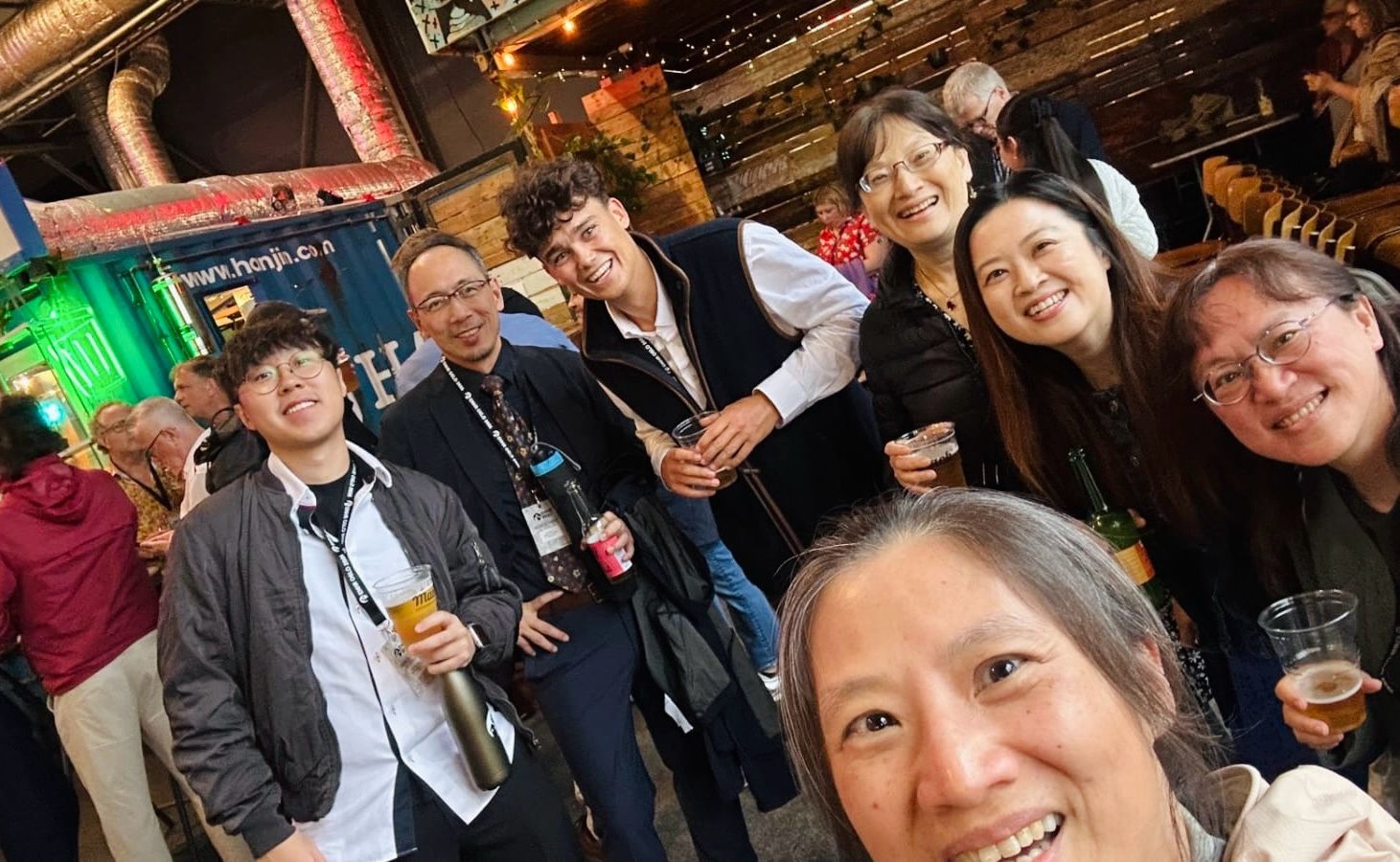
Housing research can feel like a lonely space at times. Not because it lacks relevance, but because it rarely fits neatly into a single discipline. 🫂
It sits somewhere between econometrics and real estate markets, architecture and interior design, energy poverty, geospatial infrastructure, and the everyday dynamics of families within their homes. At the same time, it engages with broader questions of inequality, diversity, and social policy. With so many moving parts, it is easy to feel like we are constantly navigating across fields without fully belonging to any one of them.
That is why attending the European Network for Housing Research Annual Conference 2026 in OsloMet – Oslo Metropolitan University felt especially meaningful.
For a few days, this “in-between” identity became a shared experience. It was great to meet new scholars from across the world. I particularly enjoyed conversations with researchers from Taiwan, Singapore, and Japan. While our housing systems differ, there are enough similarities to make comparisons both relevant and thought-provoking. These exchanges reminded me how much context matters when we interpret housing issues.
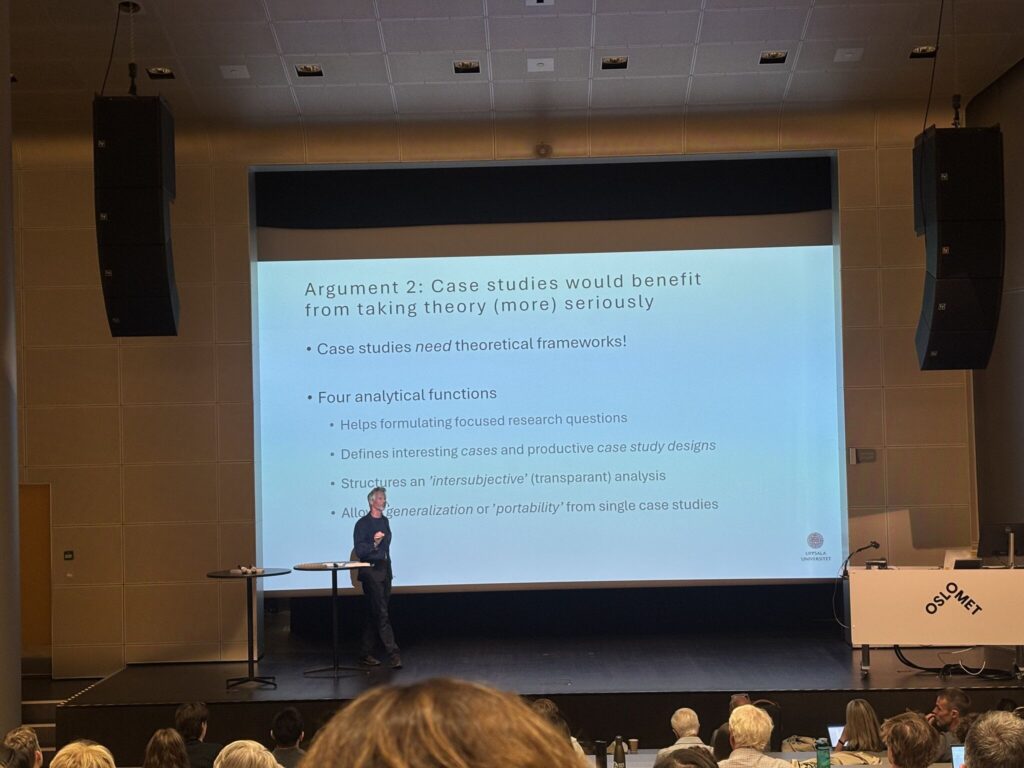
The formal sessions were insightful, but some of the most valuable moments happened outside them. The plenary discussions offered plenty to reflect on, and the many conversations over meals and drinks were just as enriching.
Hearing also from Norwegian scholars about how certain welfare, housing and social policies have played out in practice was especially interesting. Some policies sound ideal in theory, but their real-world outcomes are often more complicated. Compared to Hong Kong, Norway has around 300 times more land but an even smaller population. The contrast in density, space, and expectations is hard to ignore.
One discussion that stayed with me was from my working group on family dynamics and housing, where we discuss fertility and housing adequacy. We found ourselves debating whether indicators like number of rooms or specific housing features are actually good proxies for what “adequate housing” means for families. What seems reasonable in one context may not translate well to another. It was a simple question, but it opened up very different perspectives and assumptions.
That conversation, among many others, was both fun and genuinely inspiring. It reminded me that the strength of housing research lies precisely in its complexity. We may not always fit into a single discipline, but that also gives us the flexibility to see problems from multiple angles.
#ENHR#ENHR2026#Housingresearch#OslometThe University of Hong Kong
Comments are closed